
Whoa! The pace of change in Solana’s wallet space is dizzying. Seriously? It’s true — a browser extension can feel lightweight and tiny, and yet it opens into a whole DeFi universe. My instinct said this would be ephemeral, but then the ecosystem ballooned in ways that surprised even cautious observers. Hmm… somethin’ about the UX simplicity hooks people fast; you click, approve, and you’re in — though actually there are important tradeoffs beneath that convenience.
Here’s the thing. Browser wallet extensions like Phantom act as your bridge between the web and Solana programs. They hold your keys (locally), they sign transactions, and they inject accounts into dApps so you can swap, lend, stake, and mint NFTs without leaving your browser. Short sentence here. The simplicity is brilliant for onboarding newcomers. However, that same convenience makes security hygiene very very important, because a clever phishing site or a malicious extension can trick users into revealing access.
On one hand, Phantom’s design is polished — the UI is clean, the confirmations are clear, and the flow reduces friction. On the other hand, though actually, there are subtle behaviors users must learn: transaction size vs. fee estimation, program-level approvals that look harmless, and cross-site interactions that can persist unexpectedly. Initially I thought “just click approve,” but then I realized approvals can be broad and long-lived, so you must audit them before granting access. A lot of people skip that step…
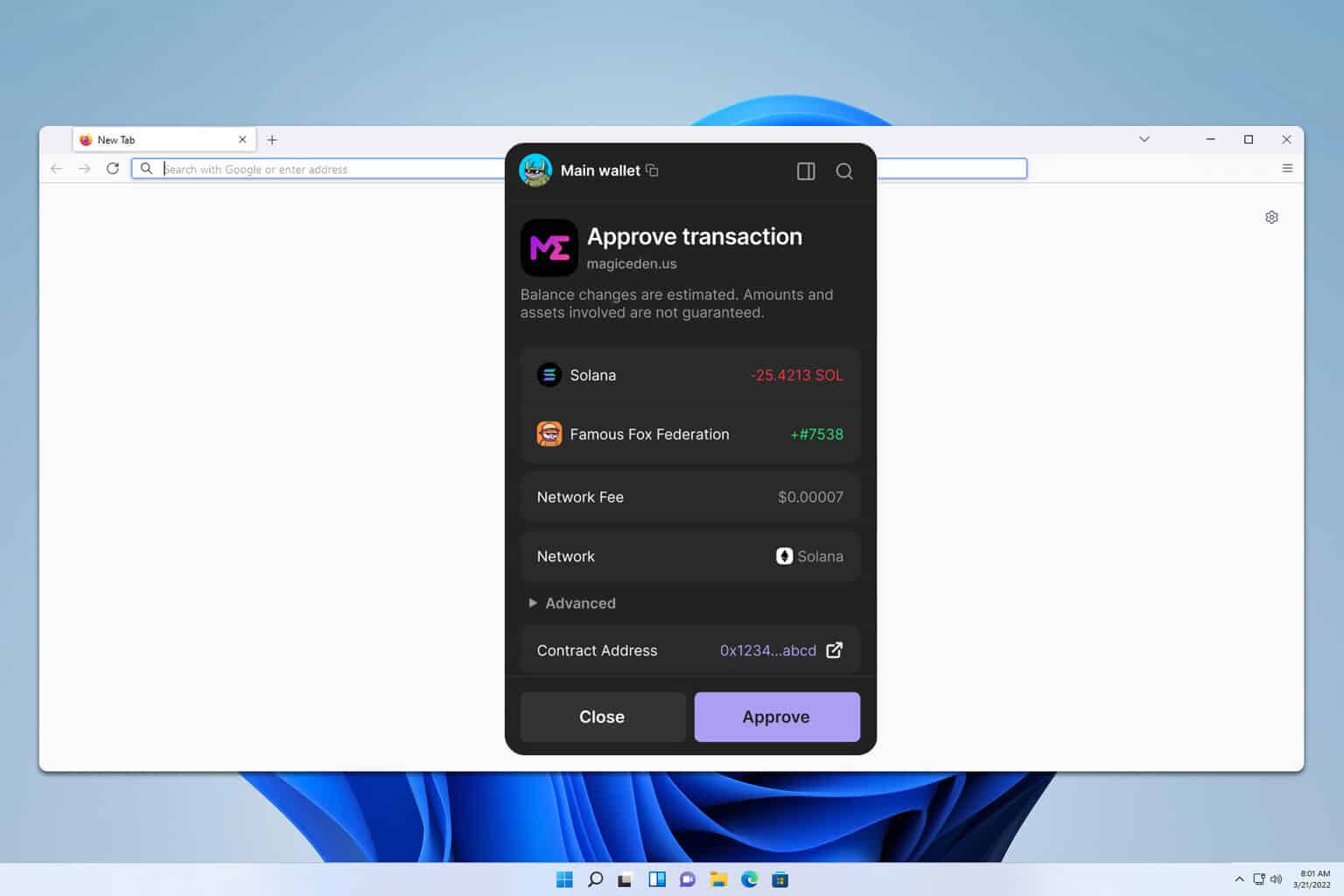
Installing Phantom safely (and the right place to get it)
Okay, so check this out—if you decide to add a Solana wallet extension, do not grab the first result that looks legit. Warning signs are subtle: tiny domain changes, poor reviews, zero update history. I’m biased, but I prefer verified sources and the official pages community trusts. If you want a straightforward, safe starting point, use this official-seeming download page: https://sites.google.com/cryptowalletextensionus.com/phantomwalletdownloadextension/ —and then validate the extension in your browser’s extension store and check the publisher details. Seriously, double-checking the publisher saved me from recommending a bad link once (not dramatic, but annoying).
Small detour: browser choice matters. Chrome/Chromium-based browsers have the largest extension ecosystems, and that can mean more attack vectors if you’re not careful. Brave and Firefox have decent extension isolation, but UI differences can confuse newbies. So pick one and stick with it while you learn. A repeating tip—back up your seed phrase offline. Do not store it in screenshots or cloud notes. Wow!
Transactions on Solana are fast and cheap most of the time. Medium sentence here. But when networks spike, fees and confirmation times can change, and some apps mis-handle retries which will create duplicate transactions. Watch your activity tab. Initially I assumed “fast equals free of surprises,” yet that was wrong; sometimes rapid UX hides complexity, and you need to step back and read transaction details thoroughly before signing.
DeFi use-cases with Phantom are powerful. You can swap tokens via on-chain DEXs, provide liquidity, borrow assets, stake SOL for yield, or interact with NFT marketplaces directly from the extension. But there are model risks: protocol bugs, economic exploits, and social engineering. On one hand, the extension reduces friction so more people can participate; on the other hand, that same lower friction accelerates mistakes and scams. Hmm… the energy in the room shifts depending on which protocol you’re using.
Practical tips that matter: keep your browser clean of unknown add-ons, use a separate browser profile for crypto activity, and freeze large amounts in hardware wallets or cold storage when possible. Short and clear. If you must use an extension for day-to-day DeFi, consider limiting the funds there. Also, review dApp permissions regularly and revoke those you don’t need. There’s a lot of copy-paste guides that miss these small, human steps though…
Security nuance: Phantom and similar wallets generally store encrypted keys in your browser’s storage. That means anyone with local access or malware on your device could be a problem. Use OS-level protections, keep software up to date, and avoid public Wi‑Fi for signing sensitive transactions. Longer thought coming: because browser extensions operate within the browser’s permission model, an attacker that compromises other extensions may gain sideways access, so minimalism in installed extensions reduces risk in practice — it’s a layered defense approach that actually pays off.
Regulatory and UX trends are converging too. Wallets improve onboarding with features like username resolution, fiat rails, and clearer guardrails for transaction approvals. Yet regulation may change how custodial or non-custodial features are offered, and that will influence user experience. I’m not 100% sure how fast rules will shift, but staying adaptable is wise. Also, community governance in many Solana protocols means your behavior as a user might affect future protocol directions, which is kinda cool.
FAQ — Quick answers to common worries
Is a browser extension wallet safe for DeFi?
Yes, with caveats. Extensions are convenient and secure enough for moderate amounts if you follow good practices: use official sources, back up seed phrases offline, verify dApp permissions, and limit funds on hot wallets. For large holdings, prefer hardware wallets or cold storage.
How do I tell a fake Phantom extension?
Check the publisher name, read reviews, verify the download link from trusted community channels, and confirm update frequency. If anything feels off, pause. Really — that pause often prevents mistakes.
Can I use Phantom with a hardware wallet?
Yes. Many browser wallets support hardware integration so you can get the UX benefits while keeping private keys offline. That combo is a solid middle ground.
Alright — final note. The momentum behind Solana wallet extensions is real and meaningful. They lower barriers, spur innovation, and put powerful DeFi tools in people’s hands. But they also shift responsibility to end users in ways that are easy to underestimate. So be curious, be cautious, and check your approvals. I’m biased toward simple, clear UX, and this part bugs me: convenience without clarity is a risk. Stay sharp, and you’ll get a lot out of the Solana DeFi world.